The Federal Court dismissed a judicial review of a study permit refusal over employment evidence, finding the visa officer’s concerns about the applicant’s proposed studies, employment prospects and financial establishment were reasonable. The Court also found no procedural unfairness in the officer deciding the application without seeking further employment information.

Case Summary
- Case & citation: Adelani v. Canada (Citizenship and Immigration), 2026 FC 1406, Court file IMM-1403-25.
- Decision date & judge: November 16, 2026, by the Honourable Justice Giuseppina D’Agostino.
- Issue: The applicant challenged the refusal of her study permit application, including the officer’s conclusion that she had not shown she would leave Canada after her authorized stay.
- Outcome: The Federal Court dismissed the judicial review application; no question was certified.
Why the study permit refusal over employment evidence stood
The applicant, a Ghanaian citizen, applied in August 2024 to study in the University of Alberta’s Master’s Degree Program in the School of Public Health, with a September 2025 start date. A visa officer refused the application on December 6, 2024, after finding that the applicant had not established she would leave Canada at the end of her authorized stay.
Justice D’Agostino held that the officer reasonably found the applicant had not sufficiently explained how the proposed Master’s program would build on her existing qualifications or improve her employment prospects after returning to Ghana. The Court said the reasons, considered alongside the limited employment evidence, sufficiently explained that conclusion (paragraph 12).
The Court distinguished evidence that the applicant could fund her studies from evidence of financial establishment in her country of residence. While family support and available bank funds showed sufficient study funding, they did not resolve the officer’s concerns about the applicant’s employment-based financial establishment in Ghana (paragraph 13).
The employment evidence showed teaching-assistant work from 2020 to 2021, although the record was unclear whether that work was paid or voluntary, and unpaid research-assistant work from 2021 to 2023. The applicant submitted no additional employment records after 2023. The Court found it reasonable for the officer to regard the evidence as insufficient, particularly where the work was unpaid or did not include salary details.
Procedural fairness challenge rejected
The applicant argued that the officer should have given her an opportunity to address concerns about her intention to leave Canada or to clarify her employment evidence. She relied on her previous visa compliance, a valid temporary resident visa and paid tuition.
The Court did not accept that argument. It held that the officer’s concerns were about the sufficiency of the employment and financial-establishment evidence, not the evidence’s credibility, accuracy or authenticity. In those circumstances, the officer was not required to seek further information or invite a response (paragraphs 16–17).
Justice D’Agostino also found that the applicant’s arguments largely asked the Court to reweigh the record, which is not the Court’s role on judicial review. Read as a whole, the officer’s reasons sufficiently justified the refusal (paragraph 14).
Practical Implications for Lawyers and RCICs
The Court’s finding turned on the distinction between having funds available for study and demonstrating financial establishment through employment in the applicant’s country of residence (paragraph 13). For a comparable record, this suggests that evidence of tuition funding alone may not answer an officer’s separate concerns about employment history, salary information and post-study prospects.
The decision is fact-specific. The Court found no procedural-fairness breach because the concern involved evidentiary sufficiency rather than credibility, accuracy or authenticity (paragraph 17).
Source: Federal Court Decisions
Maplevisa provides Canadian immigration news and information for general informational purposes only. Content is not legal or immigration advice and should not be relied upon as a substitute for advice based on your individual circumstances. Immigration laws, policies, programs, and procedures may change. Where applicable, readers should consult the relevant official government or legal source for current information.
Disclaimer
Maplevisa provides Canadian immigration news and information for general informational purposes only. Content is not legal or immigration advice and should not be relied upon as a substitute for advice based on your individual circumstances. Immigration laws, policies, programs, and procedures may change. Where applicable, readers should consult the relevant official government or legal source for current information.
More Immigration News
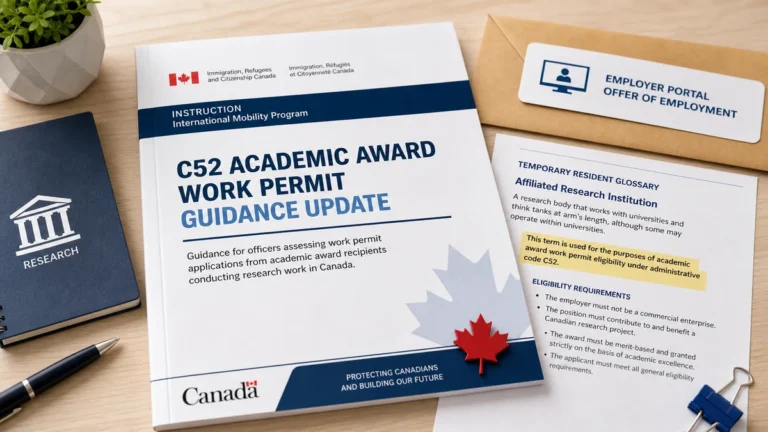
C52 academic award work permit guidance updated

Newfoundland and Labrador Issues 54 NLPNP & AIP Invitations

Canada Named Safest Country for Travel in 2027

Job Bank wage update 2026 set for November 18
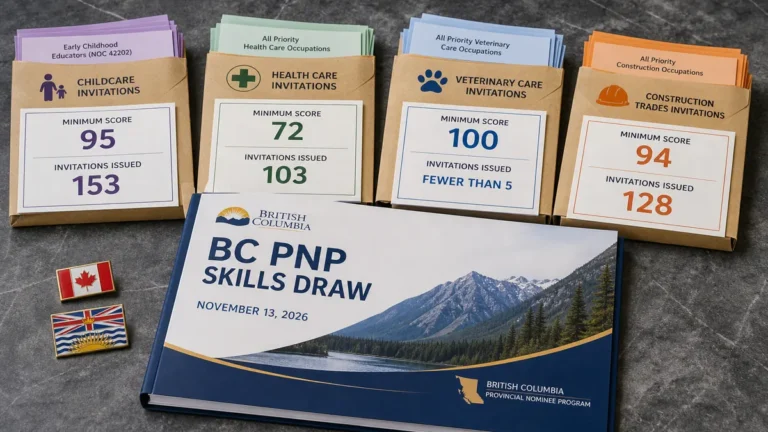
BC PNP Draw November 13, 2026: 384+ Invitations Issued
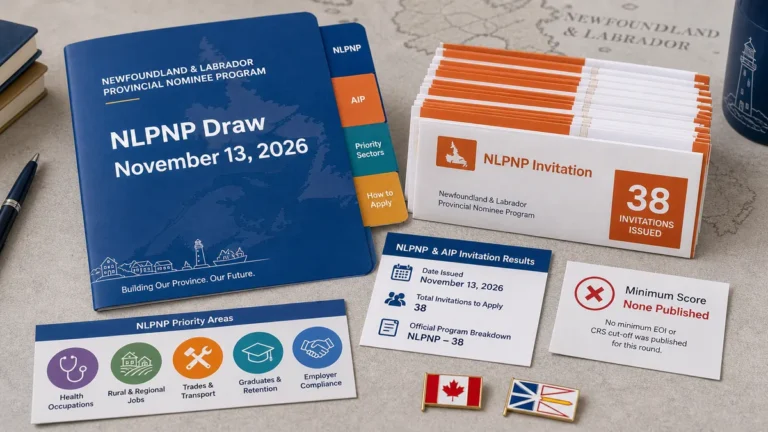
Newfoundland and Labrador Issues 38 NLPNP & AIP Invitations
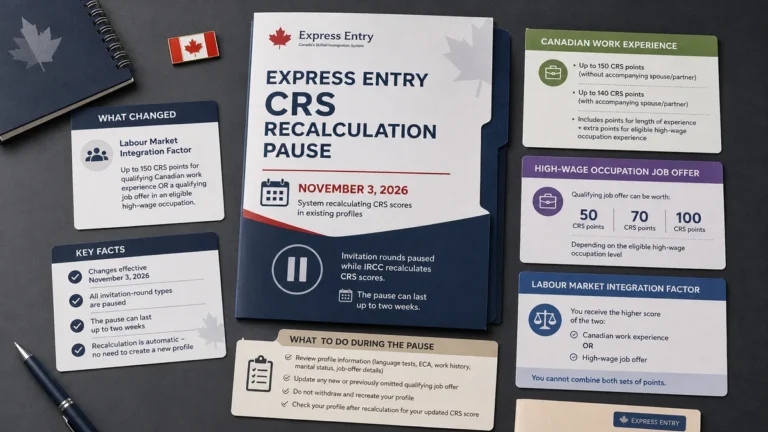
Express Entry Draws Paused for CRS Recalculation
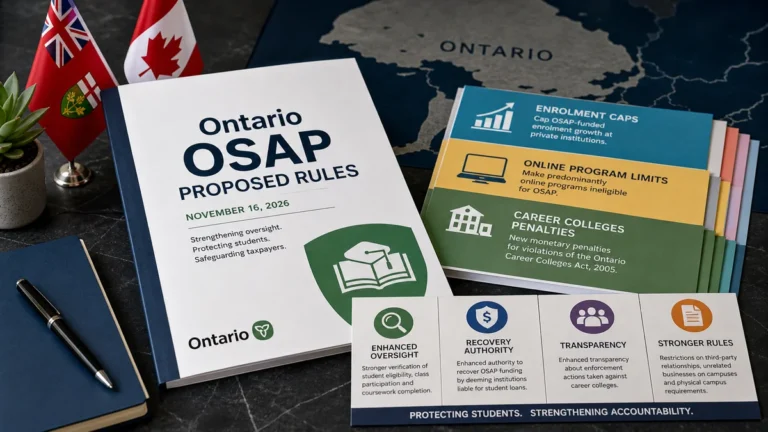
Ontario proposes OSAP rules for private institutions

Start-Up Visa Priority Processing: IRCC’s 3 Tiers