A Federal Court judge dismissed a CEC Work Experience challenge to the refusal of an Express Entry permanent residence application. The officer had found that the applicant had not established qualifying work experience after repeated omissions in earlier temporary resident applications.

Case Summary
- Case & citation: Singh v. Canada (Citizenship and Immigration), 2026 FC 1419, Court file IMM-10454-25.
- Decision date & judge: November 17, 2026, by Justice Giuseppina D’Agostino.
- Issue: The applicant challenged the refusal of his Canadian Experience Class permanent residence application over claimed foreign and Canadian work experience.
- Outcome: The application for judicial review was dismissed, with no question certified.
CEC Work Experience evidence and prior omissions
The applicant received an invitation to apply for permanent residence under the Canadian Experience Class in September 2024. IRCC sent procedural fairness letters in November 2024 and April 2025 concerning, among other matters, the detail in employment letters and the non-disclosure of claimed work experience in previous temporary resident applications.
In response to the April 2025 letter, the applicant said the work history had not been disclosed because he relied on an immigration consultant. He also provided additional evidence intended to corroborate the claimed employment.
The officer was not satisfied, on a balance of probabilities, that the applicant had performed the declared work experience during the relevant periods. After the removal of points connected to that experience, the officer concluded that the applicant no longer met the qualifications required under section 11.2 of the Immigration and Refugee Protection Act.
Court finds evidence and PFL concerns were considered
On the merits, the Court said the officer could consider the repeated omissions, the explanation for them and the corroborating documents together. The Court found that documents showing payments or an employment relationship did not, on their own, sufficiently establish genuine qualifying work experience or that the applicant had performed the claimed duties.
The Court also rejected the argument that the officer was required to apply an “innocent mistake” exception. It distinguished authorities concerning innocent misrepresentation because the officer’s decision concerned eligibility under section 11.2, rather than inadmissibility for misrepresentation under section 40.
On procedural fairness, the Court found that the April 2025 procedural fairness letter identified concerns about the genuineness of the claimed employment and whether the applicant performed the required NOC duties. The officer did not develop a new concern requiring another opportunity to respond merely because the applicant’s response and supporting evidence did not resolve the concerns.
Written reasons and formal judgment
The formal judgment dismisses the judicial review application. However, the written reasons also state at paragraph 26 that the judge had found the officer’s reasons “insufficiently justified,” and at paragraph 27 that the officer’s assessment of corroborating evidence “failed to meet” the applicable standards.
Those statements appear alongside the formal dismissal at paragraphs 28 and 29 and in the judgment itself. This report therefore reflects the operative disposition: the refusal was not set aside and the application was dismissed.
Practical Implications for Lawyers and RCICs
The Court found that an officer could assess repeated omissions from earlier applications alongside later employment evidence and explanations. For a comparable record, this suggests that evidence of payment or an employment relationship may not resolve concerns about whether claimed work was genuine qualifying experience, particularly where prior omissions remain unexplained to the decision-maker.
The procedural-fairness finding was also fact-specific: the Court held that the applicant had been told the concerns about the claimed employment and NOC duties. It did not find that fairness requires successive procedural fairness letters when an officer remains unconvinced by a response to concerns already disclosed.
Source: Federal Court Decisions
Maplevisa provides Canadian immigration news and information for general informational purposes only. Content is not legal or immigration advice and should not be relied upon as a substitute for advice based on your individual circumstances. Immigration laws, policies, programs, and procedures may change. Where applicable, readers should consult the relevant official government or legal source for current information.
Disclaimer
Maplevisa provides Canadian immigration news and information for general informational purposes only. Content does not constitute legal or immigration advice and should not be relied upon as a substitute for advice based on individual circumstances. Immigration laws, regulations, policies, programs, and procedures may change. Readers should consult relevant official government sources, legislation, or court decisions, as appropriate, to verify current information.
More Immigration News
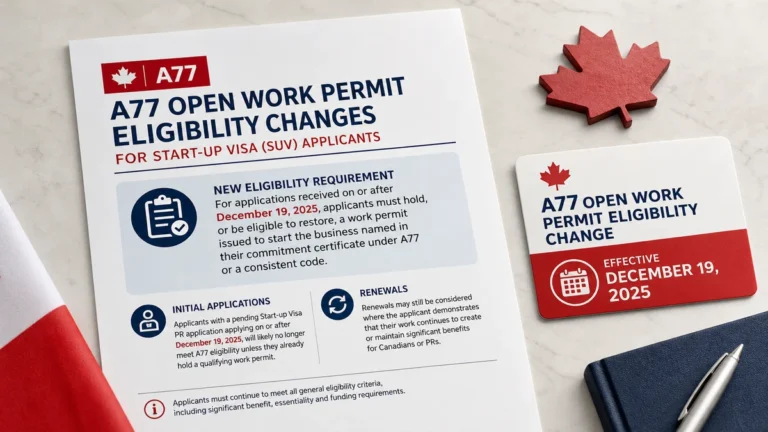
A77 Open Work Permit Eligibility Changes for SUV Applicants
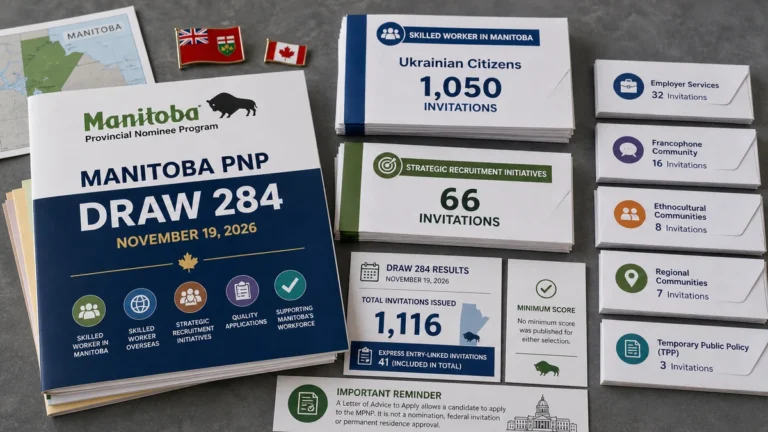
Manitoba PNP draw 284 selects 1,116 on November 19, 2026
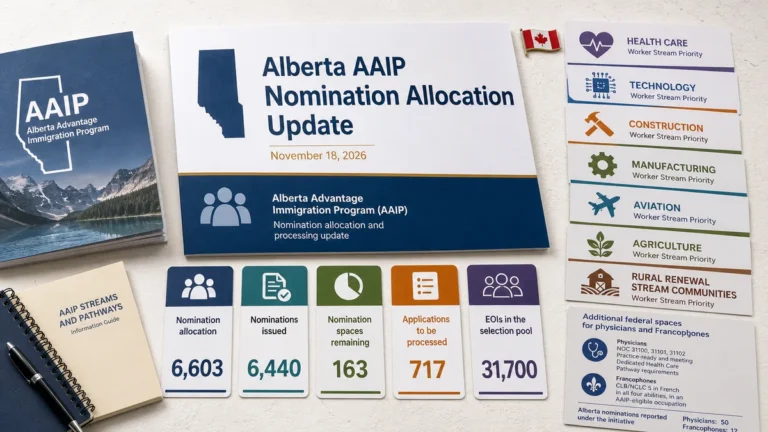
Alberta AAIP Issues 374 Invitations in 3 Rounds
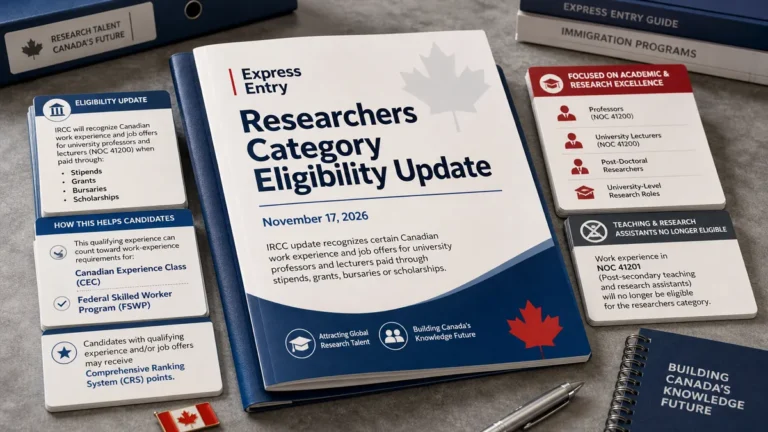
Express Entry researchers category eligibility updated
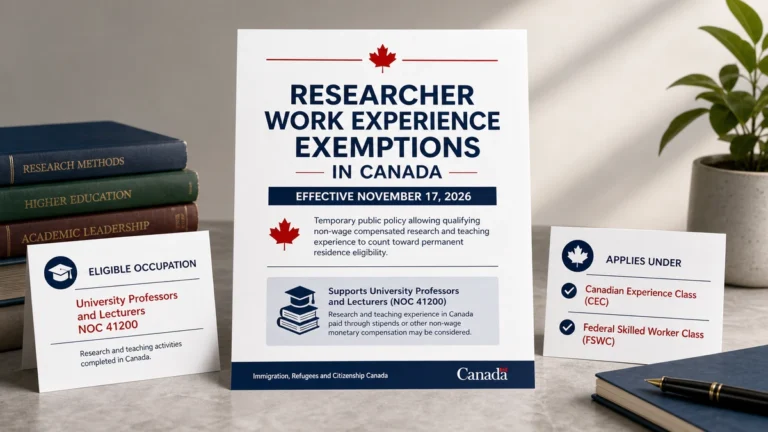
Researcher work experience exemptions in Canada
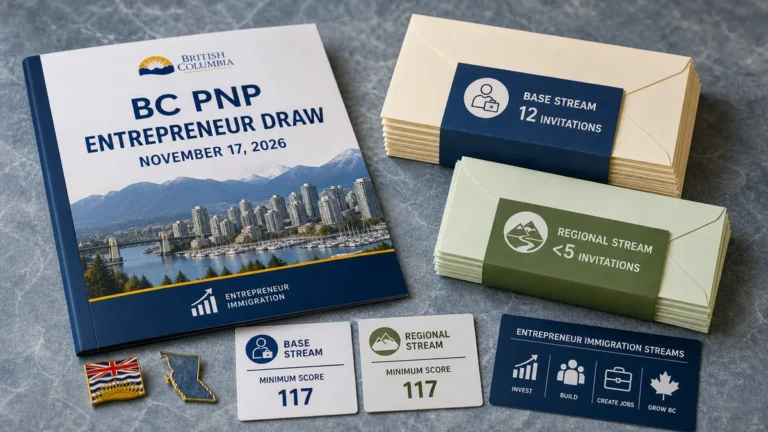
BC PNP Entrepreneur Draw, November 17, 2026

New Brunswick Reports 390 PNP Invitations and 73 AIP Selections
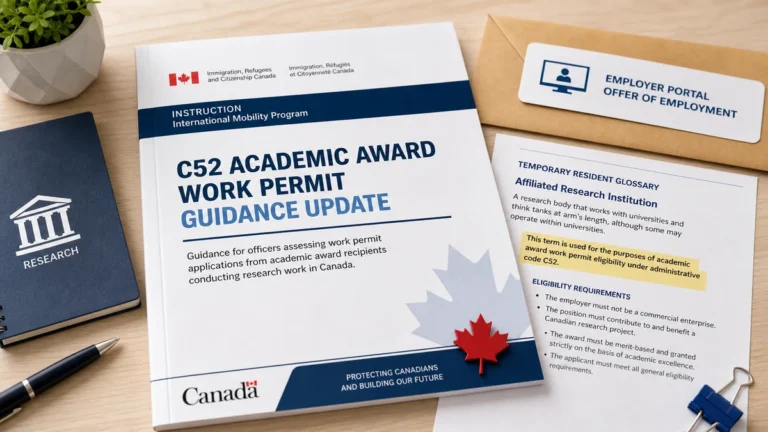
C52 academic award work permit guidance updated

Newfoundland and Labrador Issues 54 NLPNP & AIP Invitations