In a work permit financial capacity decision, the Federal Court set aside six refusals affecting an Ivorian family after finding that an officer did not address the principal applicant’s spouse’s proposed $60,000 annual salary. The applications have been returned to IRCC for redetermination by another officer.

Case Summary
- Case & citation: Dasse Et Al. c. Canada (Citoyenneté et Immigration), 2026 CF 1331, Court file IMM-5063-25.
- Decision date: October 30, 2026.
- Issue: Whether refusals of work permit and study permit applications were unreasonable because of the family’s financial circumstances.
- Outcome: The Court allowed judicial review, set aside all six refusals and sent the matters back to IRCC for reconsideration by another officer.
Family applications and the financial assessment
The principal applicant, Francis Dasse, applied to IRCC on December 23, 2024 for a work permit as a religious organization worker. He had been offered a three-year position as a senior evangelist with L’Église des Disciples du Christ de Montréal, with proposed annual pay of $60,000.
His wife, Paule Yvette Achi Epse Dasse, and their four children were to accompany him. The wife had also been offered a three-year position with the church, as leader of its women’s ministry, at a proposed annual salary of $60,000. The family’s submissions described the proposed combined employment income as $120,000 annually.
The officer refused the principal applicant’s work permit on January 9, 2025, finding that the remuneration in the offer of employment, assets and financial situation were insufficient for the purpose of the trip and accompanying family members. The officer also referred to the couple’s joint bank balance of about $2,800.
The same day, the officer refused work permit applications by the wife and two adult children because the principal applicant’s work permit had been refused. A different officer refused the two minor children’s study permit applications on January 28, 2025 on the same underlying basis.
Why the Court found the decisions unreasonable
The Court applied the reasonableness standard of review. It found that the officer had noted the principal applicant’s proposed $60,000 salary and the joint bank balance, but did not mention the wife’s separate proposed salary, despite the family’s submissions and supporting employment contract.
This omission was significant because the officer concluded that the couple together did not have sufficient resources. The Court said the reasons did not explain how that conclusion could be reached while leaving out a proposed second salary that would double the family’s anticipated employment income.
The Minister argued that the principal applicant’s file had to be assessed first and that the wife’s potential income depended on later approval of her open work permit. The Court did not accept that position. The applications were before the officer at the same time, and the officer had included the wife in assessing the family’s needs while not addressing the income she was expected to earn.
The Court also held that it could not supply a justification that the officer had not given. Since the family members’ refusals rested entirely on the refusal of the principal applicant’s application, those decisions were unreasonable as well.
What the judgment means
The ruling does not grant work permits or study permits to the family. It requires IRCC to reconsider the six applications through another officer.
The Court noted that the work permit provision discussed in the case does not itself establish a financial threshold. Financial capacity can nevertheless be relevant to assessing whether a proposed temporary stay is feasible and whether a foreign national will leave Canada at the end of the authorized period.
The decision turns on the evidence and reasons in this file, particularly the unexplained omission of the spouse’s proposed employment income from a family-level financial assessment.
Source: Federal Court Decisions
Disclaimer
Maplevisa provides Canadian immigration news and information for general informational purposes only. Content is not legal or immigration advice and should not be relied upon as a substitute for advice based on your individual circumstances. Immigration laws, policies, programs, and procedures may change. Where applicable, readers should consult the relevant official government or legal source for current information.
More Immigration News
Apply for Canada Study Permit 2027
CRS Points Express Entry: November 3 Changes
Haiti Open Work Permit Renewals Policy
Sudan Open Work Permit Renewal Policy in Canada

Canada Immigration Processing Times on 1 November 2026
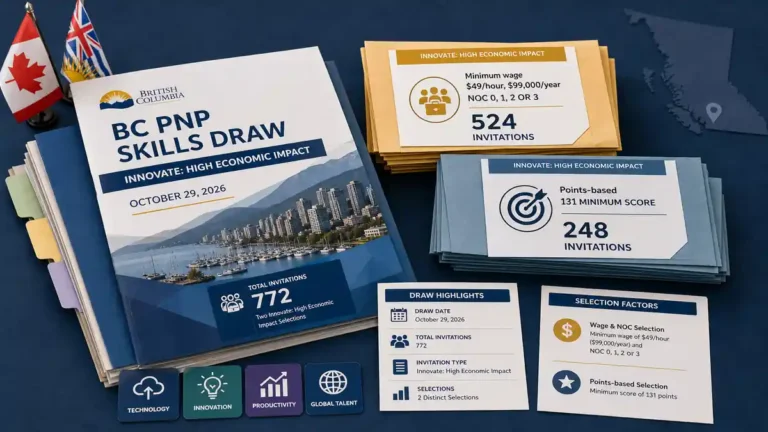
BC PNP Skills Draw Issues 772 ITAs on October 29, 2026

IRCC Changes LMIA Concurrent Processing
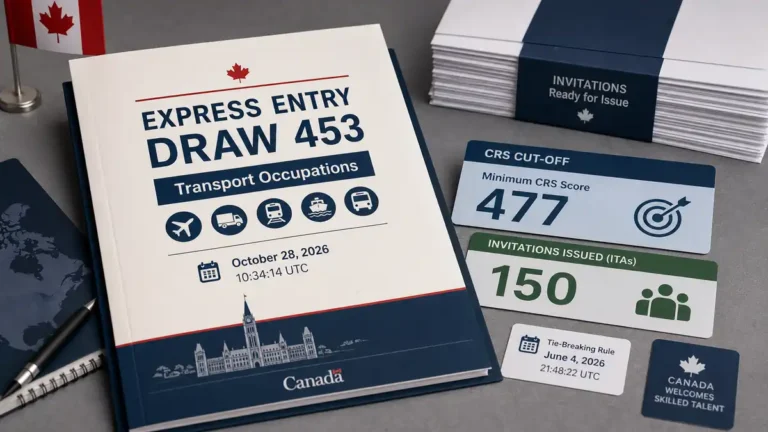
Express Entry Draw 453 Transport on October 28, 2026
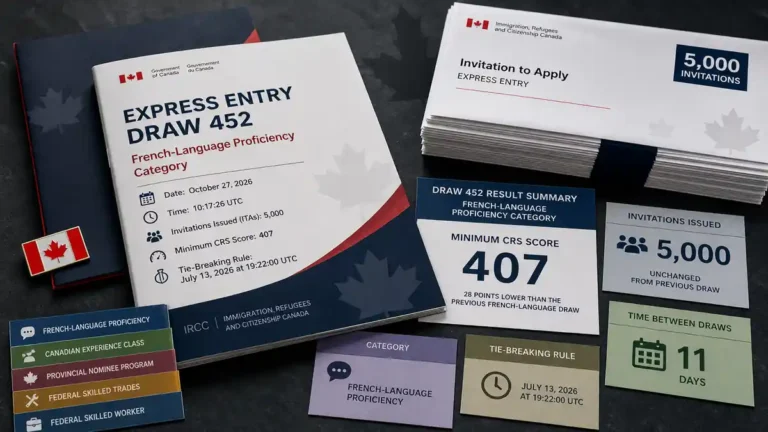
Express Entry Draw 452 French-Language on October 27, 2026