The Federal Court granted judicial review of a visitor visa refusal and sent the application back to IRCC for a new decision by a different officer. In Baghdadi v. Canada, the Court found the reasons did not meaningfully address evidence of the applicant’s family ties in Iran or clearly explain the officer’s conclusions.

Case Summary
- Case & citation: Baghdadi v. Canada (Citizenship and Immigration), 2026 FC 1338, Court file IMM-18415-24.
- Decision date & judge: October 30, 2026, before The Honourable Justice Thorne.
- Issue: The applicant challenged IRCC’s October 2, 2024 refusal of his temporary resident visa application to visit his brother-in-law in Canada.
- Outcome: Judicial review was granted, the refusal was set aside, and the matter was returned to a different IRCC officer for redetermination.
IRCC refused the visitor visa over temporary intent
The applicant, an Iranian citizen, applied for a temporary resident visa to visit his brother-in-law in Canada. The application under review was a redetermination after an earlier refusal had been discontinued on consent and the file was reopened.
IRCC was not satisfied that the applicant would leave Canada at the end of his authorized stay. The officer’s reasons cited two factors: the stated purpose of the visit was not consistent with a temporary stay, and the applicant did not have significant family ties outside Canada.
The applicant submitted updated materials describing a four-week visit, his role as a managing director, his intention to return to employment in Iran, financial information and evidence concerning his elderly parents. He said he was their primary caretaker.
Court found the reasons did not show a logical analysis
Justice Thorne reviewed the decision on the reasonableness standard. The Court held that, although visa officers are owed deference and need not discuss every piece of evidence, the reasons must allow the reader to discern a logical chain of analysis.
The Court found it unclear why the officer concluded that the applicant lacked significant family ties outside Canada. The reasons did not address evidence about the applicant’s parents in Iran, his responsibilities toward them, or why he said he would return to them.
The refusal also described the proposed visit as two months, while the redetermined application identified a one-month visit. The Court considered that error notable because the earlier application had involved a two-month stay and the updated materials repeatedly referred to the shorter visit.
Canada argued that discrepancies in the application materials, including information concerning the applicant’s wife, supported the outcome. The Court accepted that such considerations could potentially have supported the officer’s concerns, but found that the decision itself did not explain that reasoning. The Court said it could not uphold the refusal based on after-the-fact speculation about the officer’s analysis.
Application must be reconsidered, not approved
The Court set aside the October 2, 2024 decision because it lacked the required justification, transparency and intelligibility. The matter will be reconsidered by a different IRCC officer.
The judgment does not grant the applicant a temporary resident visa. It requires a new decision on the application. No question of general importance was certified.
Source: Federal Court Decisions
Disclaimer
Maplevisa provides Canadian immigration news and information for general informational purposes only. Content is not legal or immigration advice and should not be relied upon as a substitute for advice based on your individual circumstances. Immigration laws, policies, programs, and procedures may change. Where applicable, readers should consult the relevant official government or legal source for current information.
More Immigration News
Apply for Canada Study Permit 2027
CRS Points Express Entry: November 3 Changes
Haiti Open Work Permit Renewals Policy
Sudan Open Work Permit Renewal Policy in Canada

Canada Immigration Processing Times on 1 November 2026

BC PNP Skills Draw Issues 772 ITAs on October 29, 2026

IRCC Changes LMIA Concurrent Processing
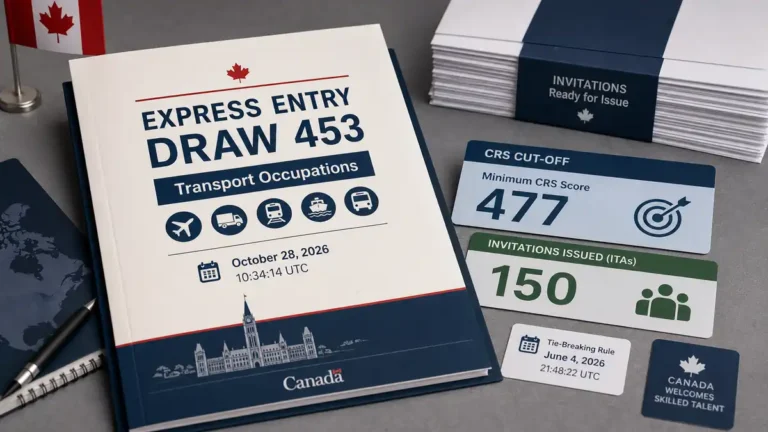
Express Entry Draw 453 Transport on October 28, 2026
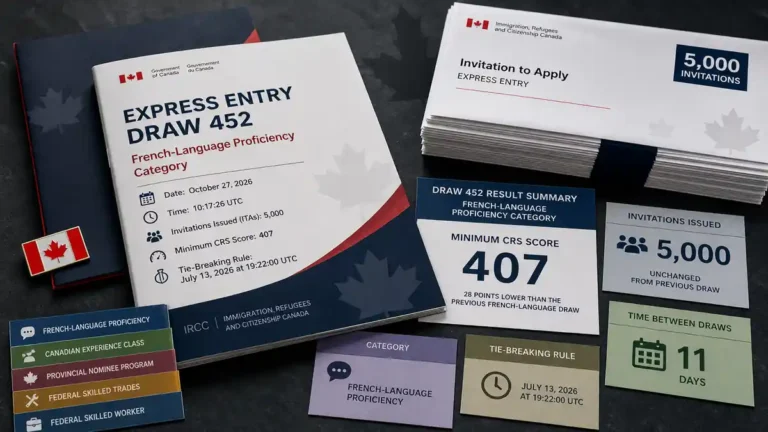
Express Entry Draw 452 French-Language on October 27, 2026