
The Federal Court dismissed a Belgian Roma family’s application for judicial review on October 29, 2026, upholding the Refugee Appeal Division’s finding that they had not rebutted the presumption of adequate Belgian state protection. The Belgian State Protection finding meant their refugee claim remained refused.

Case Summary
- Case & citation: Mihai c. Canada (Citoyenneté et Immigration), 2026 CF 1333, Federal Court file IMM-13083-25.
- Decision date & judge: October 29, 2026; Justice Danielle Ferron.
- Issue: The applicants challenged the Refugee Appeal Division’s refusal of their refugee claim, principally over the adequacy of Belgian state protection.
- Outcome: The judicial-review application was dismissed, and no question of general importance was certified.
Refugee appeal decision under review
Marius Mihai, Alinea Elena Adam and their 12 children are Belgian citizens of Roma origin. They alleged fear arising from threats, harassment and assaults attributed to the Munteanu family after the breakdown of a marriage involving their son. They also alleged discrimination by Belgian police and other authorities because of their Roma origin.
The Refugee Protection Division had accepted that discrimination against Roma people exists in Belgium and found the applicants’ testimony credible. However, it refused the claim on May 6, 2024, finding that the applicants had not produced clear and convincing evidence that Belgian protection was inadequate.
An earlier Refugee Appeal Division decision dated October 2, 2024 was set aside by consent in Federal Court on January 22, 2025 and returned for a new, independent assessment. On May 28, 2025, the Refugee Appeal Division again dismissed the appeal and confirmed that the applicants were neither Convention refugees under section 96 of the Immigration and Refugee Protection Act nor persons in need of protection under subsection 97(1).
Court found the Refugee Appeal Division’s analysis reasonable
The parties agreed that reasonableness was the applicable standard of review. Justice Ferron stated that the Court’s role was not to reassess the evidence, but to determine whether the Refugee Appeal Division’s reasoning was coherent, rational and justified in light of the legal and factual constraints.
The applicants argued that the Refugee Appeal Division focused on Belgian policies and intentions rather than whether protection worked in practice for Roma people. They also submitted that the division did not adequately assess particular incidents involving police conduct and that the discrimination they experienced amounted to persecution.
The Court was not persuaded. It found that the Refugee Appeal Division had independently assessed both the applicants’ evidence and documentary evidence concerning Belgium’s institutions, anti-discrimination measures and police oversight mechanisms.
Justice Ferron held that the evidence did not clearly and convincingly establish that Belgian protection was ineffective. The Court also found it reasonable for the Refugee Appeal Division to conclude that the applicants had not exhausted the protection measures available to them in Belgium.
Discrimination evidence did not change the result
The Refugee Appeal Division had accepted that discrimination and social inequality exist in Belgium and that Roma people experience them. It nevertheless found that the incidents described over more than two decades were not continuous or organized and did not meet the required level of persecution.
The Court held that the documentary evidence before the Refugee Appeal Division did not demonstrate a failure of Belgian state protection for Roma people. While some evidence pointed to racial profiling and discrimination, other evidence showed measures taken to address those concerns and the existence of police oversight mechanisms.
Because the applicants had not established inadequate state protection, the Court said it was unnecessary to decide the second stage of the objective fear analysis concerning the nature of the alleged persecution. It added that the applicants’ submissions largely sought a reassessment of the evidence, which is not the Court’s function on judicial review.
What the decision means
This decision does not grant refugee protection or reopen the claim. It leaves the May 2025 Refugee Appeal Division refusal in place.
The judgment applies the state-protection analysis to the evidence in this record. The Court found no reviewable error in the Refugee Appeal Division’s conclusion that the applicants had not provided clear and convincing evidence that Belgium could not adequately protect them.
Source: Federal Court Decisions
Disclaimer
Maplevisa provides Canadian immigration news and information for general informational purposes only. Content is not legal or immigration advice and should not be relied upon as a substitute for advice based on your individual circumstances. Immigration laws, policies, programs, and procedures may change. Where applicable, readers should consult the relevant official government or legal source for current information.
More Immigration News

CRS Points Express Entry: November 3 Changes

Haiti Open Work Permit Renewals Policy

Sudan Open Work Permit Renewal Policy in Canada

Canada Immigration Processing Times on 1 November 2026

BC PNP Skills Draw Issues 772 ITAs on October 29, 2026

IRCC Changes LMIA Concurrent Processing
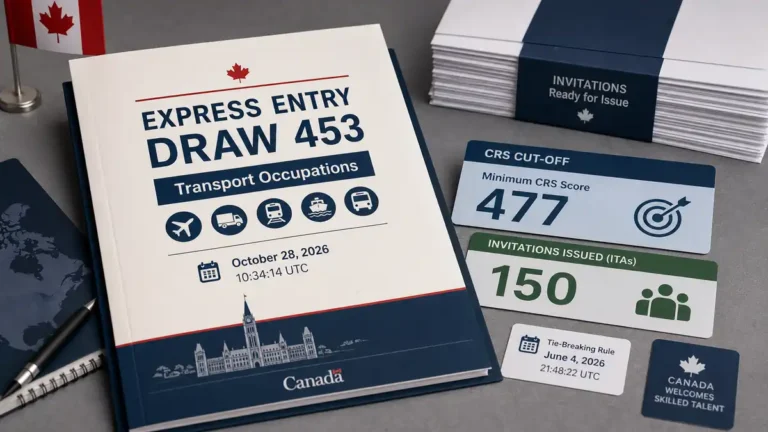
Express Entry Draw 453 Transport on October 28, 2026
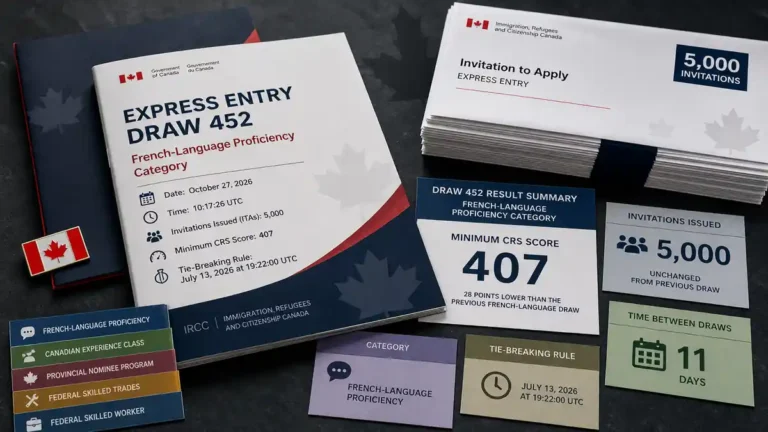
Express Entry Draw 452 French-Language on October 27, 2026
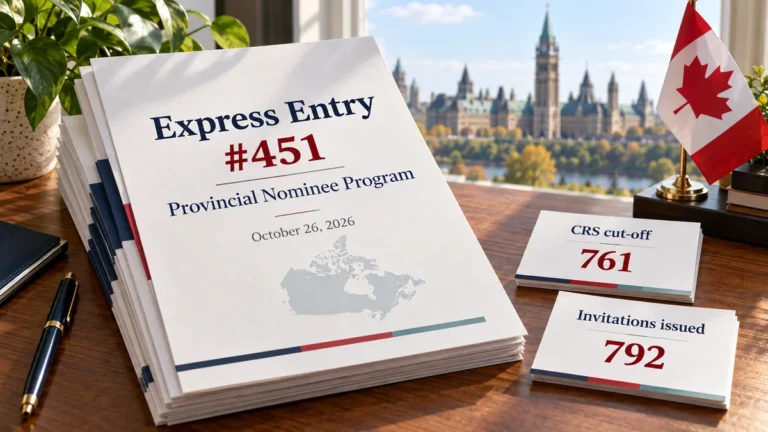
Express Entry Draw 451 PNP on October 26, 2026