
The Federal Court dismissed Aram Fathian Baneh’s challenge to the refusal of his Canadian Experience Class permanent residence application. The Court found the officer reasonably concluded that the CEC work experience evidence did not establish the duties required under the applicable National Occupational Classification category.

Case Summary
- Case & citation: Baneh v. Canada (Citizenship and Immigration), 2026 FC 1314, Court file IMM-23136-24.
- Decision date & judge: October 27, 2026, Mr. Justice Brouwer.
- Issue: The applicant challenged IRCC’s refusal of his Canadian Experience Class permanent residence application for insufficient evidence of foreign work experience.
- Outcome: The application for judicial review was dismissed; the Court did not order a redetermination.
CEC work experience evidence in the PR application
Aram Fathian Baneh, a citizen of Iran, applied for permanent residence through the Canadian Experience Class after receiving an invitation to apply through Express Entry. An IRCC officer refused the application because the evidence submitted did not sufficiently establish the required foreign work experience.
Mr. Baneh acknowledged that he had not provided an employment letter describing his title and duties while he was completing doctoral research in Germany. He maintained, however, that other documents in the record established the relevant employment information.
Court finds officer considered the submitted documents
Mr. Justice Brouwer found that the record did not support the applicant’s claim that the officer failed to consider or misunderstood the documents. The German scholarship documents relied on by Mr. Baneh could, even if accepted as evidence of employment, not show the tasks and duties he was required to perform.
The officer’s notes showed that the officer reviewed the material to determine whether the required information appeared elsewhere than in an employment letter. The Court held it was reasonable to conclude that it did not.
The Court noted that the applicant bore the onus of showing he met the specific employment experience requirements under the applicable National Occupational Classification category. On that record, the refusal was not unreasonable.
No obligation to request missing information
The Court also rejected the procedural fairness argument. It found that the application lacked critical information about a central acceptance requirement, and that the officer was not required in those circumstances to identify the gap and offer an opportunity to correct it before refusing the application.
Mr. Baneh said at the hearing that he had later obtained an employment letter and submitted it with a reconsideration request. The reconsideration request and any outcome were not before the Court. Justice Brouwer stated that any judicial review of a reconsideration decision would be a separate matter from the original refusal under review.
What the judgment means
This decision concerns the particular record before the Court. It confirms that, in this case, evidence indicating a person was employed did not by itself establish the duties needed for the officer’s occupational-category assessment. The Court dismissed the judicial review because the applicant did not show that the original refusal was unreasonable or procedurally unfair.
Source: Federal Court Decisions
Disclaimer
Maplevisa provides Canadian immigration news and information for general informational purposes only. Content is not legal or immigration advice and should not be relied upon as a substitute for advice based on your individual circumstances. Immigration laws, policies, programs, and procedures may change. Where applicable, readers should consult the relevant official government or legal source for current information.
More Immigration News

BC PNP Skills Draw Issues 772 ITAs on October 29, 2026

IRCC Changes LMIA Concurrent Processing
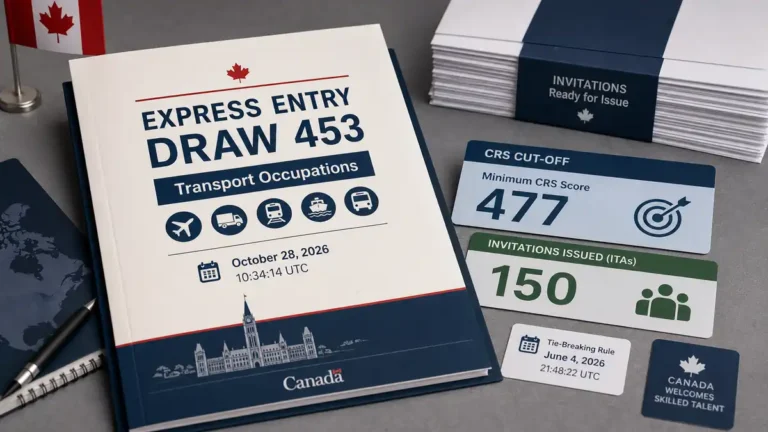
Express Entry Draw 453 Transport on October 28, 2026
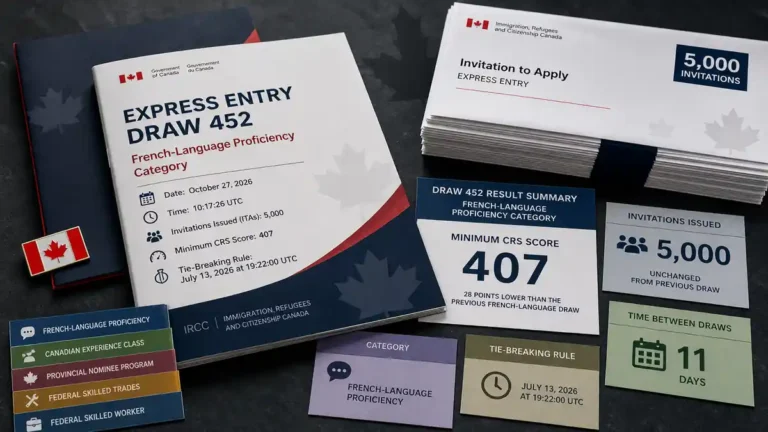
Express Entry Draw 452 French-Language on October 27, 2026
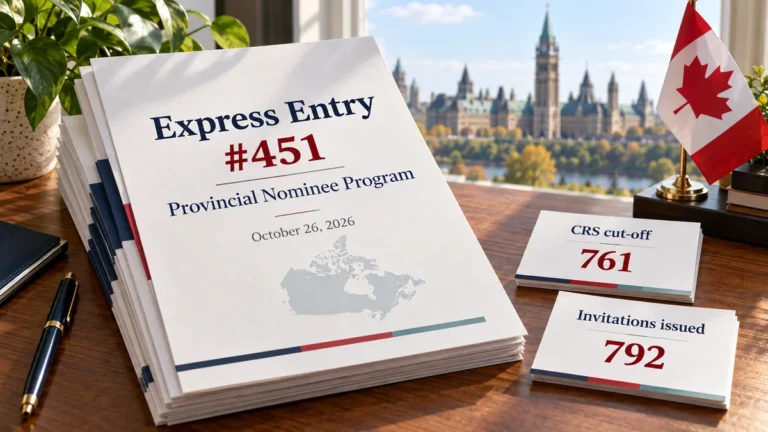
Express Entry Draw 451 PNP on October 26, 2026

Alberta AAIP draws: five rounds, October 9–20, 2026

List High-Wage Occupations for Express Entry

Manitoba PNP invites 1,304 candidates in October 22, 2026 draw

BC PNP Entrepreneur Draw, October 20, 2026