
The Federal Court dismissed a refugee claim credibility challenge by two Nicaraguan citizens, finding the Refugee Appeal Division’s assessment of inconsistencies, omissions and missing evidence was reasonable.

Case Summary
- Case & citation: Aguirre Eugarrios v. Canada (Citizenship and Immigration), 2026 FC 1388, Court file IMM-16688-24.
- Decision date & judge: November 12, 2026, by Justice Giuseppina D’Agostino.
- Issue: The applicants challenged the Refugee Appeal Division’s dismissal of their refugee appeal, principally over adverse credibility findings.
- Outcome: The judicial review application was dismissed; no question was certified for appeal.
RAD findings were reasonable
Maynor Alexander Aguirre Eugarrios and Stephany Solange Aguirre Torres claimed refugee protection on the basis that they feared persecution by Nicaraguan state actors and supporters of the ruling Frente Sandinista de Liberación Nacional because of their political opposition.
The Refugee Protection Division rejected their claim in March 2024. The Refugee Appeal Division (RAD) upheld that result on August 23, 2024, finding that omissions, inconsistencies, vagueness and deleted evidence undermined the applicants’ central allegation of persecution connected to their participation in 2018 protests.
Justice D’Agostino reviewed the RAD decision on the reasonableness standard and concluded that the applicants had not shown a reviewable error.
Conflicting evidence affected credibility
A central inconsistency concerned the timing of alleged persecution and which applicant was first targeted. The applicants testified that the associate applicant was targeted in April 2019 and the principal applicant in 2020, while the associate applicant’s mother described a different timeline.
The Court found that this discrepancy went to a material part of the persecution allegations. It held that the RAD could reasonably draw an adverse credibility inference after finding the explanation for the conflicting accounts inadequate.
The Court also found that the RAD had considered corroborative letters rather than simply rejecting them for omissions. The RAD reasonably concluded that the letters lacked enough particulars, including dates and locations, to resolve the conflicting evidence.
Note and deleted evidence supported RAD concerns
The associate applicant had not amended her Basis of Claim form to include a note containing a specific death threat, despite knowing about it for at least six months before the Refugee Protection Division hearing. Although the note had been disclosed before the hearing, the Court found the RAD reasonably considered both its significance and the explanation for the omission.
The Court also upheld the RAD’s concerns about deleted WhatsApp conversations and protest photographs. It found the RAD assessed the applicants’ changing or insufficient explanations for the missing material, rather than making unsupported assumptions about the plausibility of their conduct.
Conceded error did not change the result
The Minister conceded that the RAD had erred by treating a letter from the associate applicant’s former partner as inconsistent with the applicants’ timeline. The Court nevertheless found that this error was not sufficiently central or significant to make the overall decision unreasonable.
The former partner’s letter supported the applicants’ account, but it did not resolve the separate inconsistency in the mother’s letter or the RAD’s other credibility concerns. The Court therefore dismissed the application for judicial review.
The decision concerns the reasonableness of this particular RAD record and does not grant the applicants refugee protection.
Source: Federal Court Decisions
Disclaimer
Maplevisa provides Canadian immigration news and information for general informational purposes only. Content is not legal or immigration advice and should not be relied upon as a substitute for advice based on your individual circumstances. Immigration laws, policies, programs, and procedures may change. Where applicable, readers should consult the relevant official government or legal source for current information.
More Immigration News
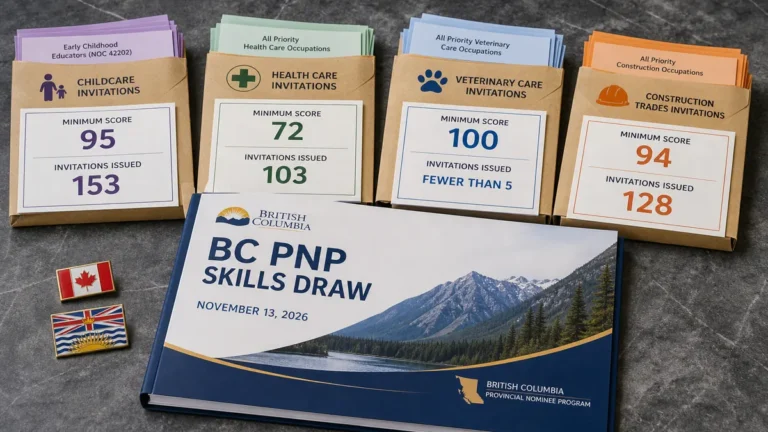
BC PNP Draw November 13, 2026: 384+ Invitations Issued

Newfoundland and Labrador Issues 38 NLPNP & AIP Invitations
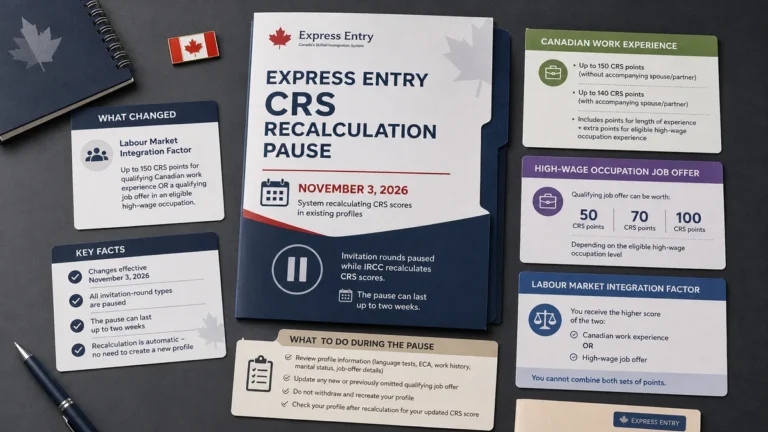
Express Entry Draws Paused for CRS Recalculation

Ontario proposes OSAP rules for private institutions

Start-Up Visa Priority Processing: IRCC’s 3 Tiers

Alberta AAIP Issues 525 Invitations in 6 Rounds

Canada Immigration Announcement on November 12, 2026

Canada’s worker retention measure announced in Budget 2026

Budget 2026 investments highlighted in Thunder Bay