The Federal Court dismissed a challenge to an LMIA Work Permit refusal for a truck and transport mechanic position, finding the officer reasonably assessed the applicant’s English-language evidence and related safety concerns. The judgment was issued October 30, 2026.

Case Summary
- Case & citation: Singh Bal v. Canada (Citizenship and Immigration), 2026 FC 1341; court file IMM-13424-25.
- Decision date & judge: October 30, 2026, by Madam Justice Azmudeh.
- Issue: The applicant sought review of a work permit refusal based on whether he met the job’s English-language requirements.
- Outcome: The application for judicial review was dismissed; no question was certified.
LMIA work permit refusal and language evidence
The applicant, an Indian citizen, applied for a work permit to work as a truck and transport mechanic after Employment and Social Development Canada approved a Labour Market Impact Assessment under NOC 72410, covering automotive service technicians, truck and bus mechanics and mechanical repairers.
The Court noted that the parties agreed the LMIA approval was not binding on the immigration officer, who was required to independently assess the work permit application.
The applicant submitted a one-year National Trade Certificate as a diesel mechanic, a CV describing about seven months of heavy-vehicle mechanic work, IELTS results and secondary-school grades. His IELTS results included 4.5 in reading, 4.0 in writing, 5.5 in listening, 6.0 in speaking and an overall score of 5.0.
Officer linked language ability to safety requirements
The officer reviewed information from the IELTS website and found the applicant’s reading and writing results corresponded with Band 4, described in the decision as limited English skills. The officer concluded that the mechanic role would require reading manuals, including safety instructions, and that weak reading or writing skills could create risks of misunderstanding or miscommunication.
The applicant argued that Band 4 was sufficient for the position and that the officer should have given greater weight to factors including bilingual supervision, the nature of the job and his mechanic experience in a workplace where English was used functionally.
Justice Azmudeh found that these submissions effectively asked the Court to reweigh the evidence. The Court held that the officer had explained why English proficiency was relevant to the position and had not concluded that the applicant lacked mechanical ability. Rather, the officer found those skills did not address the safety concerns arising from limited English proficiency.
Court finds the decision reasonable
The applicable standard of review was reasonableness. The Court found the officer’s reasons reflected consideration of the evidence on the record and provided a clear, logical and justified explanation for finding that the applicant had not shown he could adequately and safely perform the proposed work.
The Court also ruled that documents from the Canadian employer that had not been before the officer were inadmissible on judicial review. The applicant had not argued that the new material met an exception allowing evidence outside the administrative record.
The judgment does not grant a work permit or require a new decision. It leaves the refusal in place and confirms that no question for certification arose in the case.
Source: Federal Court Decisions
Disclaimer
Maplevisa provides Canadian immigration news and information for general informational purposes only. Content is not legal or immigration advice and should not be relied upon as a substitute for advice based on your individual circumstances. Immigration laws, policies, programs, and procedures may change. Where applicable, readers should consult the relevant official government or legal source for current information.
More Immigration News
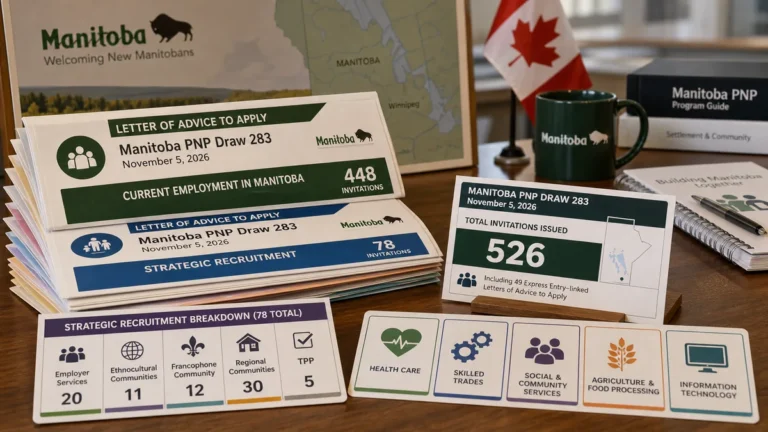
Manitoba PNP Draw 283 Issues 526 Invitations Nov. 5, 2026

Canada’s 2027–2029 Immigration Levels Plan: What Changes
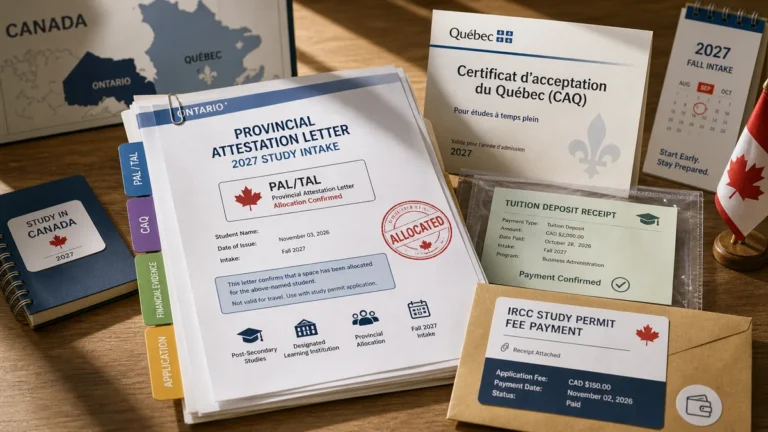
Apply for Canada Study Permit 2027
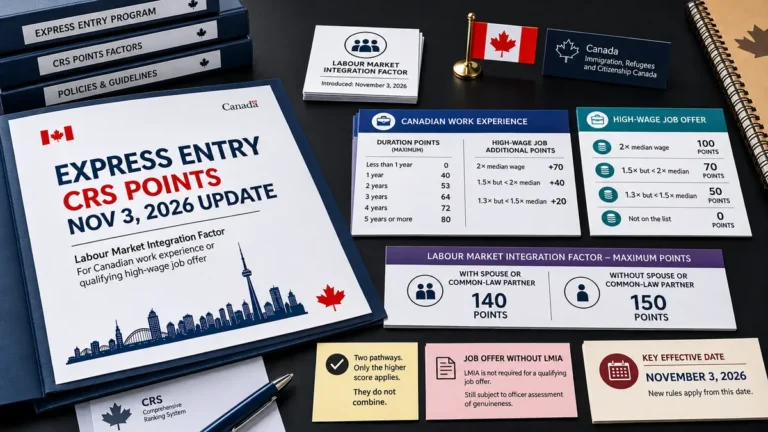
CRS Points Express Entry: November 3 Changes
Haiti Open Work Permit Renewals Policy
Sudan Open Work Permit Renewal Policy in Canada

Canada Immigration Processing Times on 1 November 2026
BC PNP Skills Draw Issues 772 ITAs on October 29, 2026

IRCC Changes LMIA Concurrent Processing