The Federal Court allowed a sponsored refugee resettlement delay application by Abdulmouien Mashhadi, ordering IRCC to complete processing within 30 days of the October 28, 2026 judgment. The Court found the unexplained delay unreasonable and awarded $2,000 in costs.

Case Summary
- Case & citation: Mashhadi v. Canada (Citizenship and Immigration), 2026 FC 1326, Court file IMM-12049-25.
- Decision date & judge: October 28, 2026, Mr. Justice Brouwer.
- Issue: A Syrian refugee sought mandamus over delays in processing his family’s sponsored refugee resettlement application.
- Outcome: Judicial review was allowed; IRCC was ordered to complete processing within 30 days, with $2,000 in costs.
Refugee resettlement delay of more than seven years
Mr. Mashhadi and his family are Syrian refugees residing in Kuwait as temporary residents while their sponsored refugee application is processed by the Minister of Citizenship and Immigration. The application was submitted more than seven years before the judgment and had been in process at IRCC since March 2023.
The family was interviewed by IRCC in June 2023 and was told that entry papers would be issued by the end of that year. In August 2023, the Minister advised that the application was awaiting a Certificat de sélection du Québec. The certificate was issued in February 2024.
After that, IRCC provided no further explanation for the delay beyond saying the application was undergoing background security screening. Days before the scheduled mandamus hearing, IRCC invited Mr. Mashhadi to a further interview after an officer raised a possible security inadmissibility concern. The interview was scheduled after the hearing, and the Court had no information about its outcome.
Generic security explanation was insufficient
Justice Brouwer found that the central question was whether the processing delay was unreasonable. The Minister submitted that IRCC had conducted assessments and verifications, requested further documents, awaited Quebec’s selection certificate, and was carrying out background and security checks.
The Court accepted that waiting for the Quebec certificate could explain the period from August 2023 to February 2024. However, it found that the Minister had not provided a specific explanation for the delay after that point, why the security interview was arranged only shortly before the hearing, or how much longer a decision would take.
The judgment states that background checks and security screening are important and can take time, but they are not a blanket justification for delay. In this case, the Court concluded that the Minister needed satisfactory, case-specific justification rooted in evidence rather than a general reference to security screening.
Mandamus, costs and continued Court oversight
The Court found that the balance of convenience favoured mandamus. It noted evidence that the family faced financial hardship in Kuwait, including difficulty paying for housing, their children’s tuition and basic living expenses, as well as fear of being refouled to Syria.
Although Mr. Mashhadi had initially requested a 30-day processing deadline, the Minister sought 120 days. Justice Brouwer noted that four and a half months had passed since the hearing, giving IRCC an additional 144 days to process the file. The Court therefore ordered processing to be completed within 30 days of the judgment and remained seized of the matter so that the parties could seek further direction if necessary.
The Court also awarded all-inclusive lump-sum costs of $2,000. It held that the unreasonable delay constituted a special reason for costs under the Federal Courts Citizenship, Immigration and Refugee Protection Rules.
The order requires a decision on the application; it does not itself grant the family resettlement to Canada or determine the possible security concern raised by the officer.
Source: Federal Court Decisions
Disclaimer
Maplevisa provides Canadian immigration news and information for general informational purposes only. Content is not legal or immigration advice and should not be relied upon as a substitute for advice based on your individual circumstances. Immigration laws, policies, programs, and procedures may change. Where applicable, readers should consult the relevant official government or legal source for current information.
More Immigration News
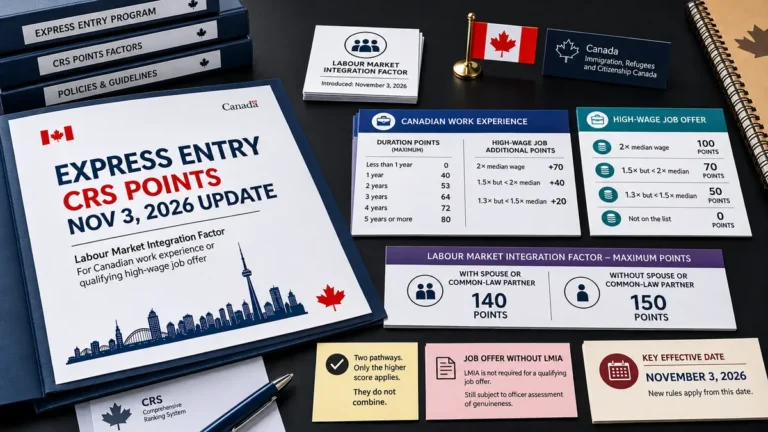
CRS Points Express Entry: November 3 Changes
Haiti Open Work Permit Renewals Policy
Sudan Open Work Permit Renewal Policy in Canada

Canada Immigration Processing Times on 1 November 2026

BC PNP Skills Draw Issues 772 ITAs on October 29, 2026

IRCC Changes LMIA Concurrent Processing
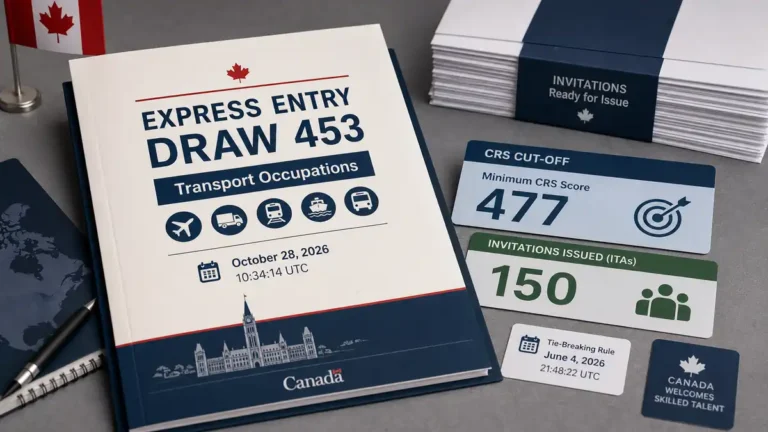
Express Entry Draw 453 Transport on October 28, 2026
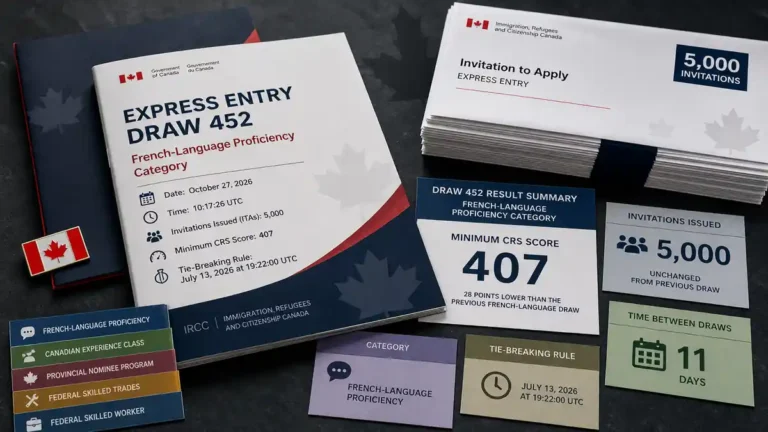
Express Entry Draw 452 French-Language on October 27, 2026
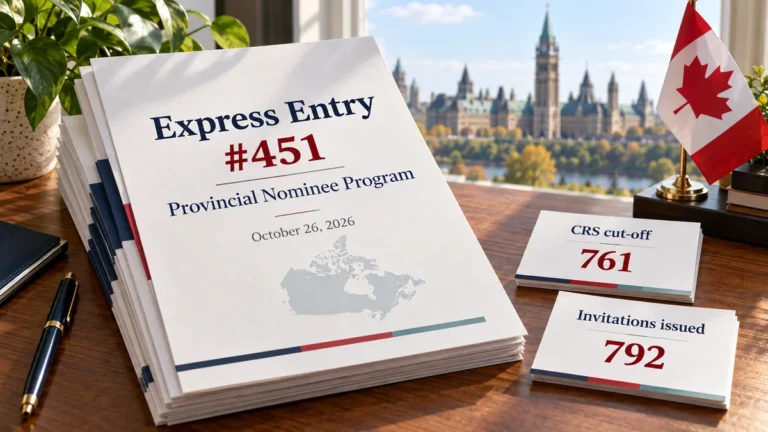
Express Entry Draw 451 PNP on October 26, 2026